Letter to a Young Sciatica Sufferer
Randall Buskirk | JAN 25, 2022
sciatica
yoga
mobility
back pain
sciatic nerve
yoga stretches
Letter to a Young Sciatica Sufferer
Randall Buskirk | JAN 25, 2022
Dear SS,
Thank you for your recent letter. I'm sorry to hear you've been having some sciatica issues. Our sciatic friend can get a little nervy sometimes, traveling from the low back all the way down to the feet, so there's a lot of potential for signaling to get your attention. Injuries and irritations can occur anywhere along that pathway.
I can't, of course, diagnose or give medical advice. But I think it’s good to consider the sciatic signals in as big a context as is appropriate for you.
Certainly get relief however you can, ideally in a way that offers you long-term healing and not just a temporary salve--though that might be all that is needed. Acute injuries or trauma happen. Thus, a lot of medical information and movement therapy starts from the assumption of “pathology,” I think. Not that it’s necessarily wrong, but it can orient you in a certain way of thinking that is not always empowering.
Having said that, I think it’s usually a good idea to move well and move regularly. With hip and low back issues, especially, it can be helpful to think of pain as a message from the brain to do something different. To move in a different way or to somehow bring new or different or fresh information into your system. A lot of times it can be related to staying in one position for too long, and your brain doesn’t approve. It would prefer you changed it up a bit, often enough.
A silly analogy. When you sleep on a pillow for a while, the pillow might get flattened out and "stale." So you fluff it up and bring it back to life, make it more airy and spacious. It can be like that with the sciatic nerve and surrounding tissues. Sitting a long time can put pressure on it, dull it, and make it "stale." Blood flow, etc. decreases. So "fluff up" your sciatic nerve by fluffing up your hips and the backs of your legs. Stimulate those dulled areas by moving.
Given that broad framework, you can satisfy your brain’s need for movement information and variety in a whole lot of ways. The fact that you’ve already discovered it’s helpful to rub the area is a good thing. You might “pre-rub” the general area more often. You could also pay someone to rub and move the area—that can be a good strategy too. Massage or physical therapy, for instance.
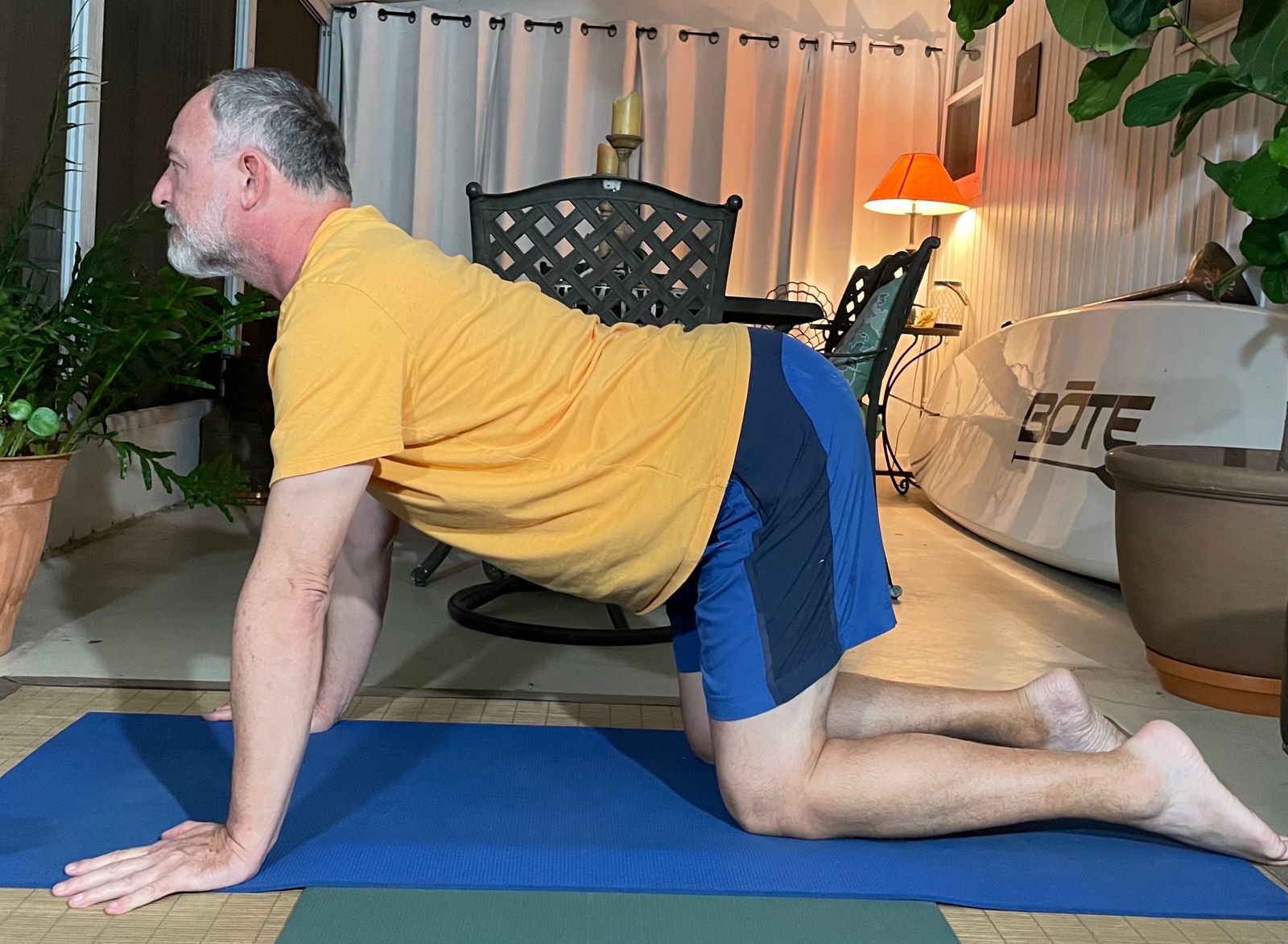
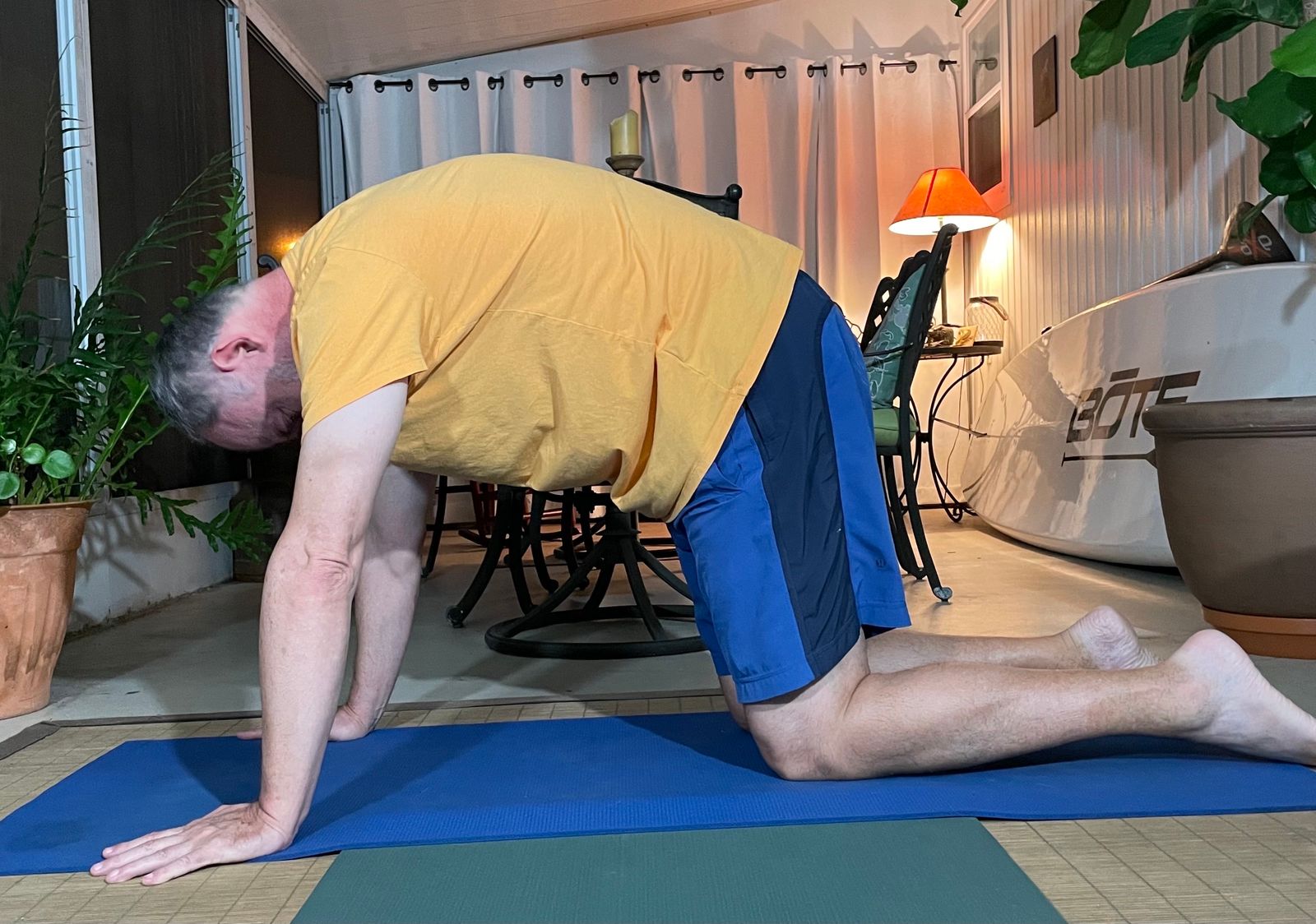
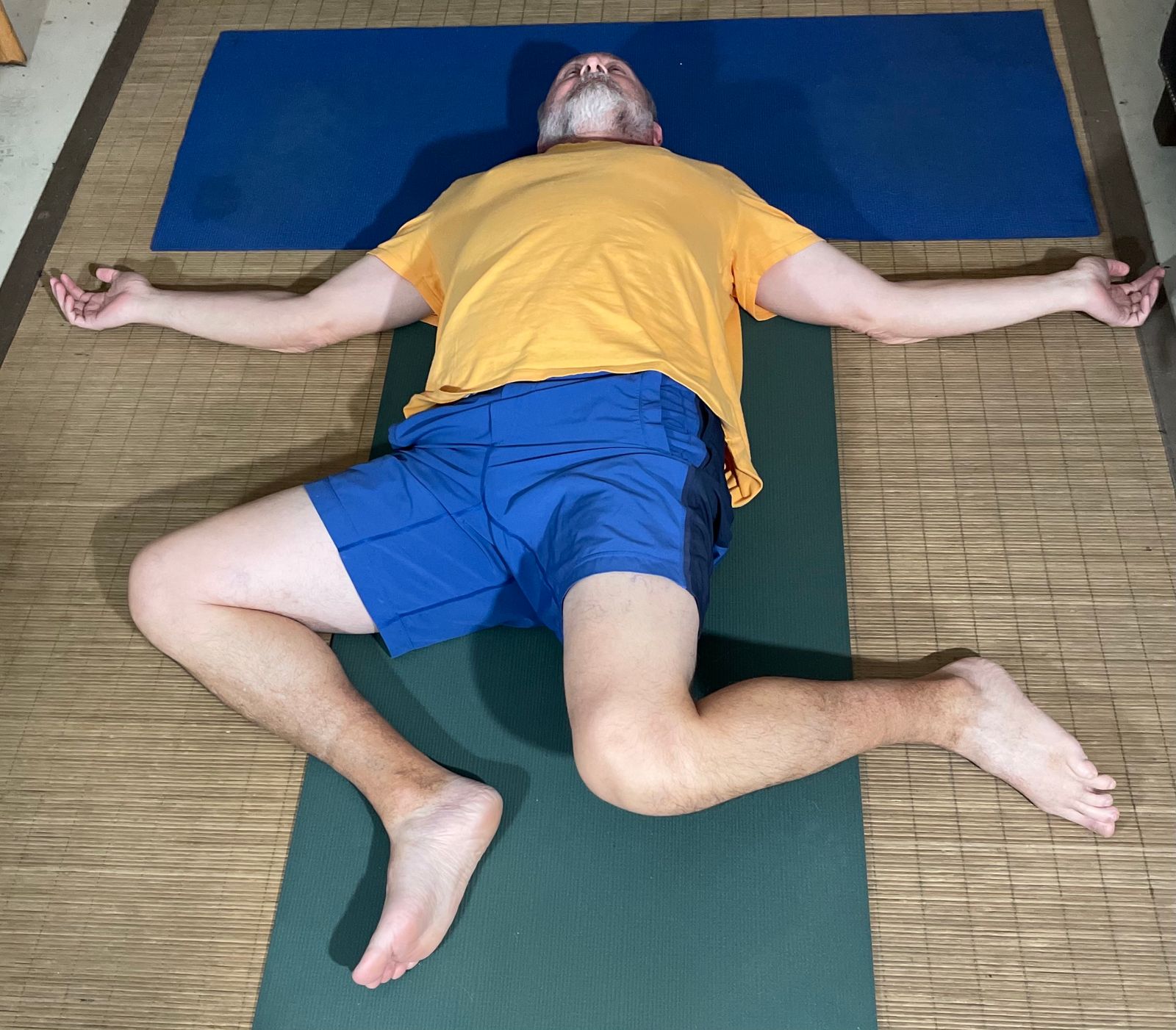
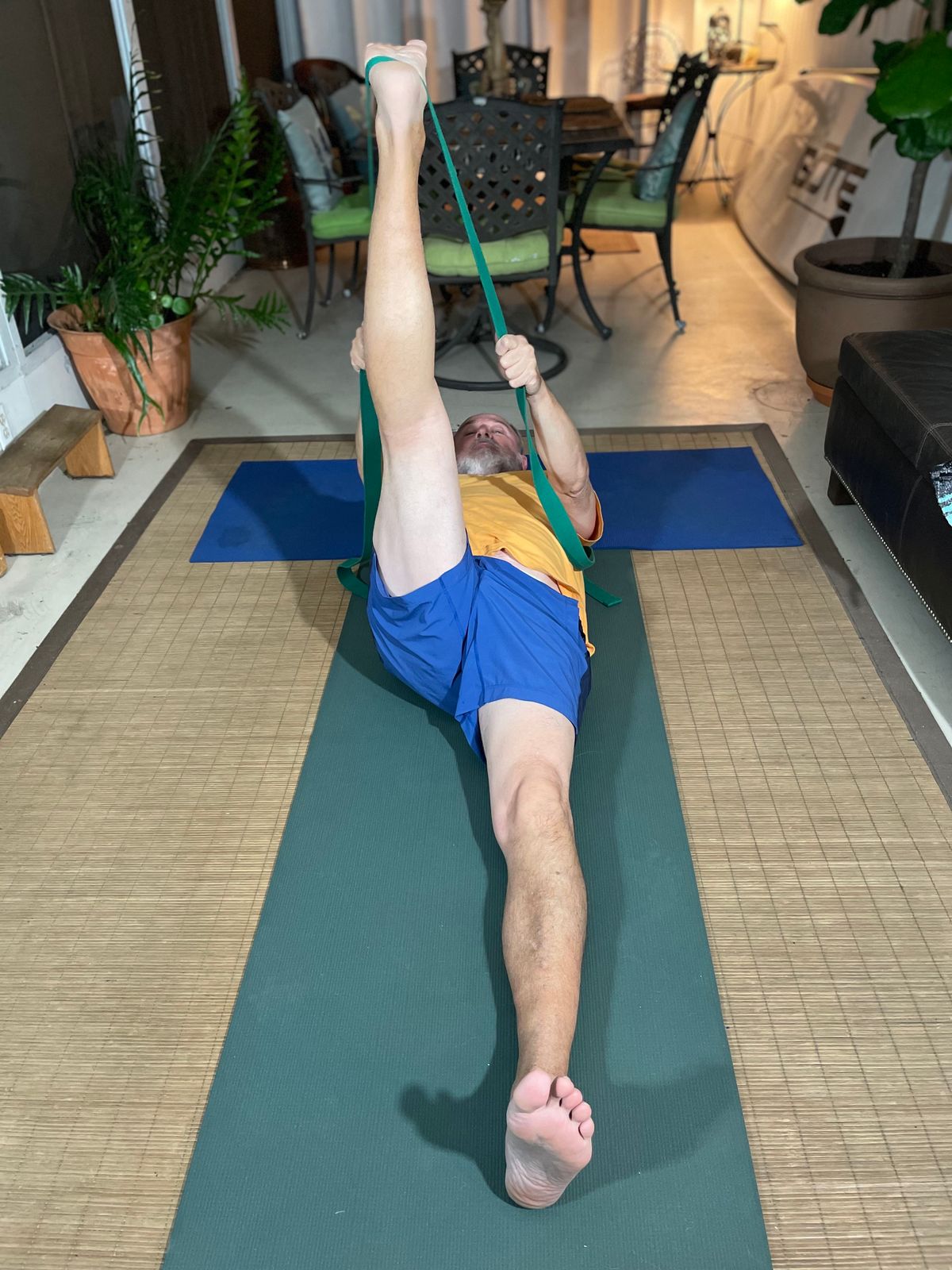
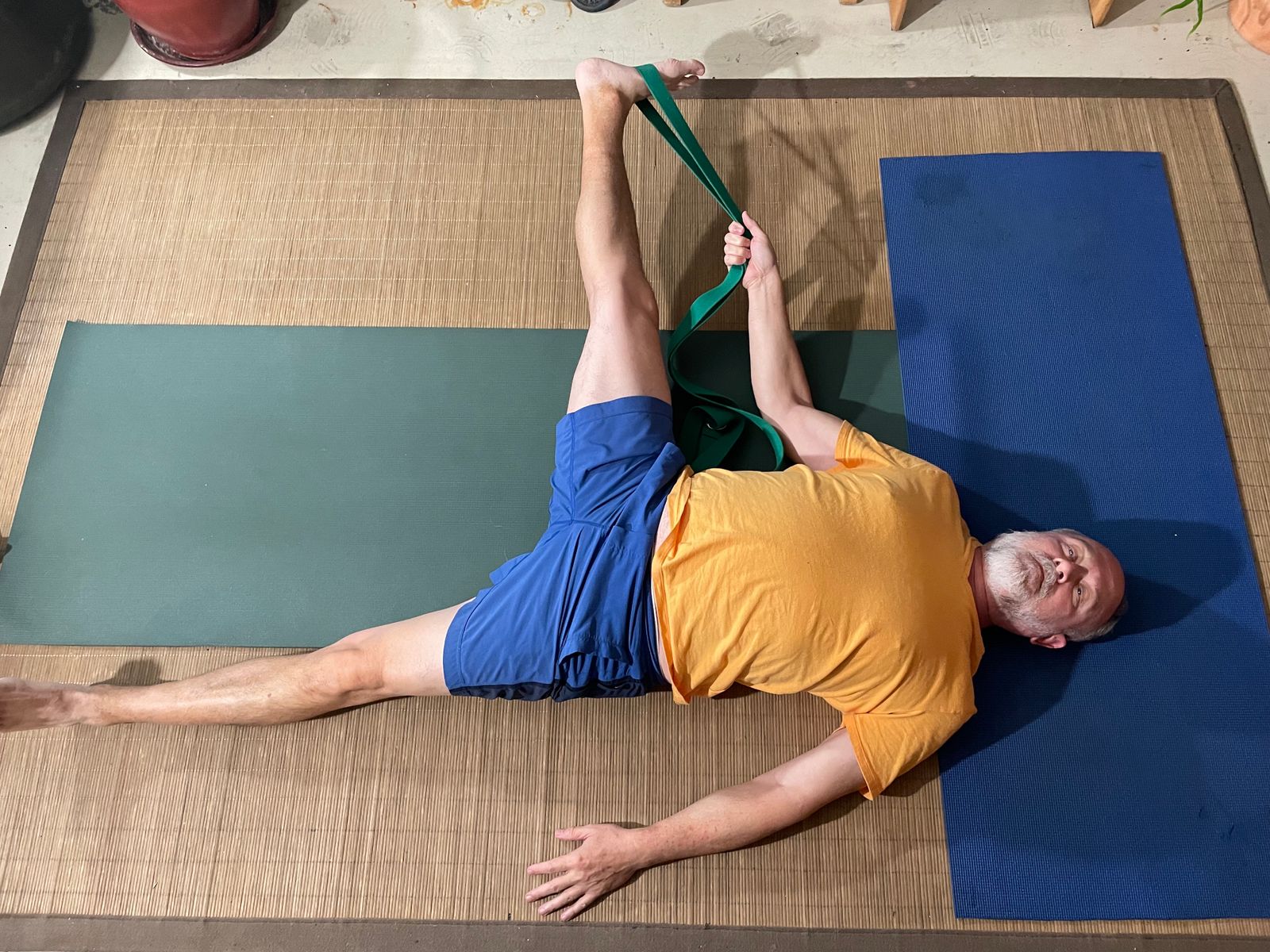
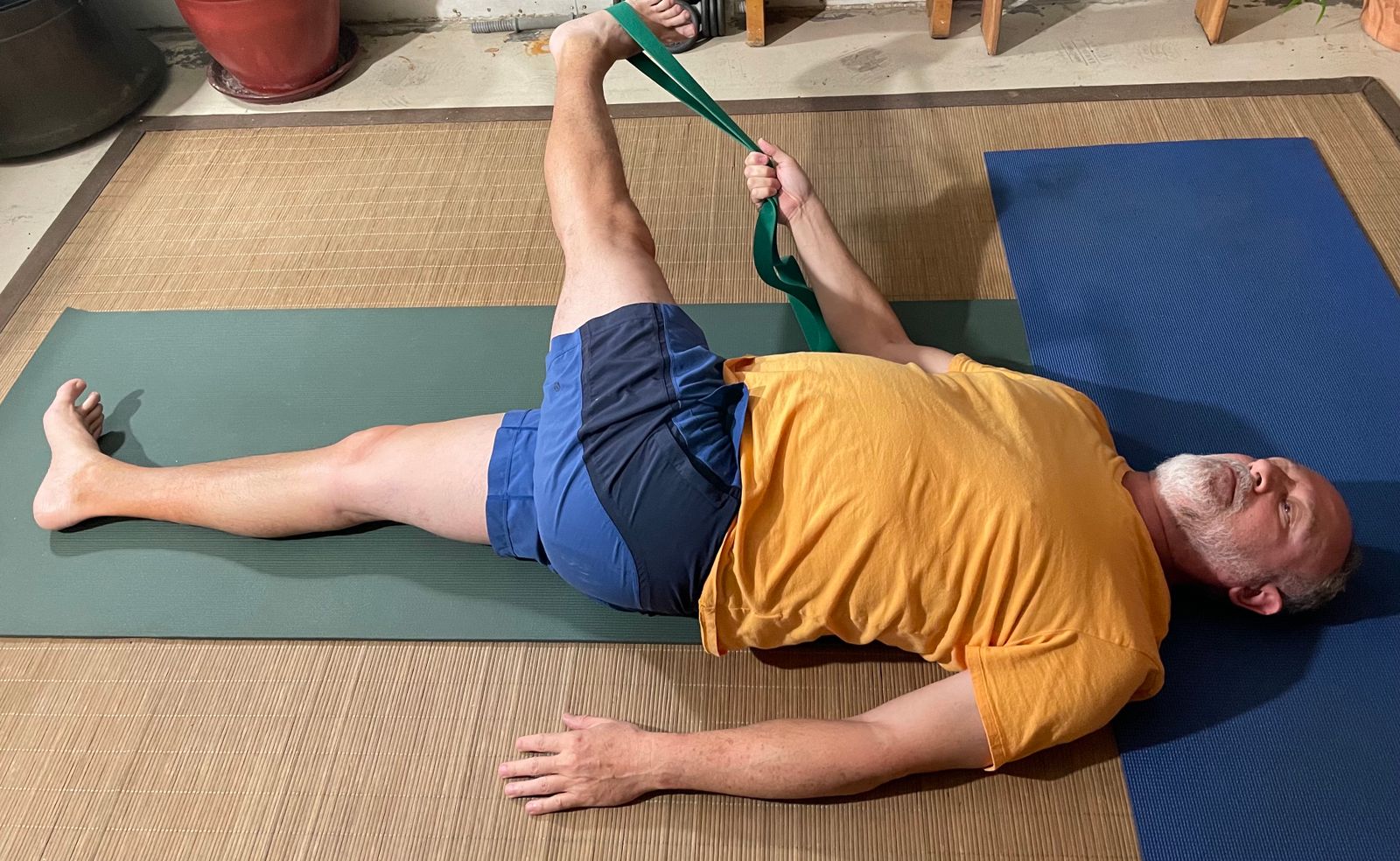
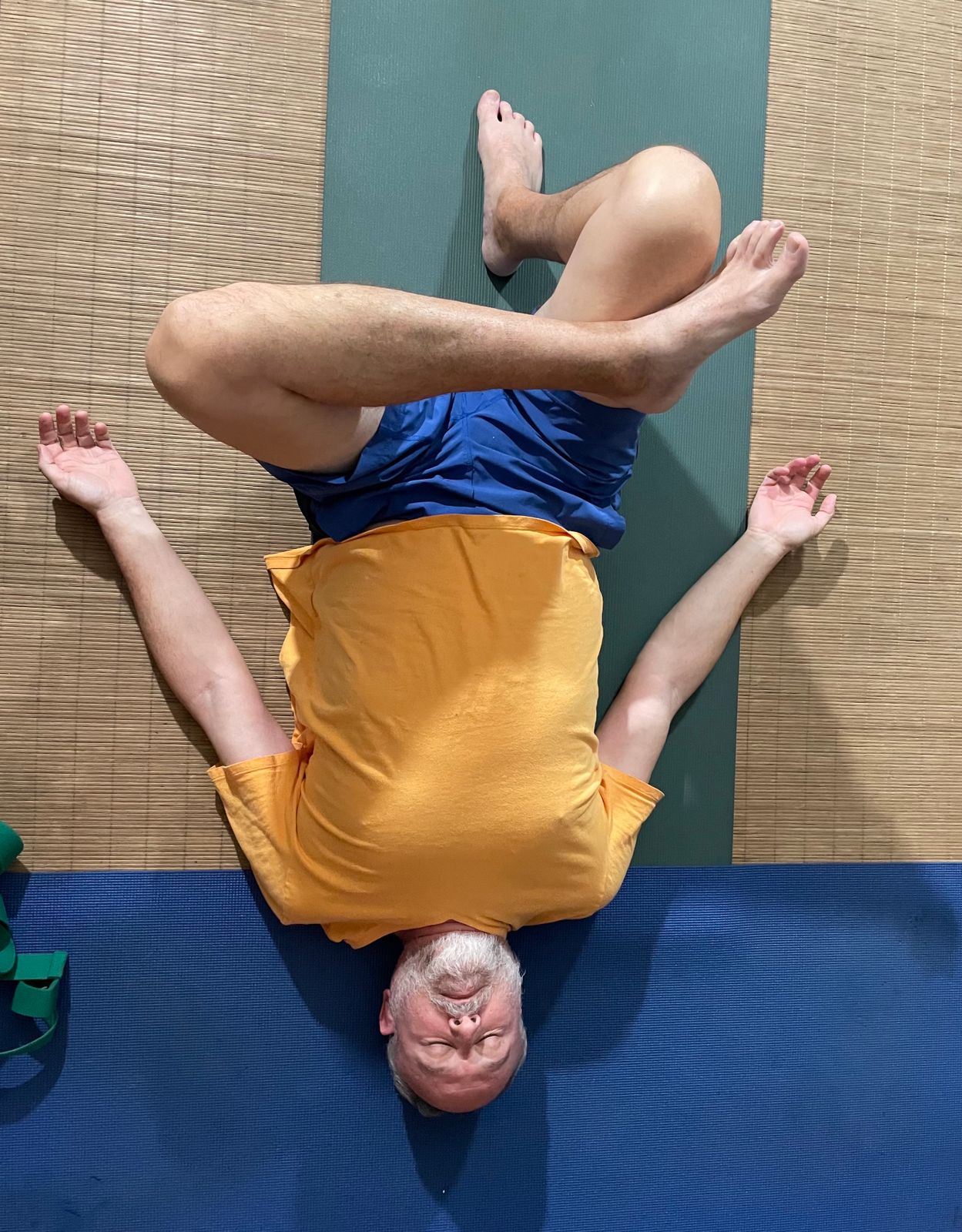
Simply changing your position or posture regularly can help. I just remembered that someone else was talking to me about it a few weeks ago. I gave him some poses to try, and I’ll attach pics of the poses. These are poses that many people have found helpful.
There’s not anything really magical about them, but they might bring some different muscle contraction and relaxation/stretch patterns into those areas, and your brain might say “ah, we needed that.”
Sometimes moving more slowly into a position that has been painful gives the brain more time to figure things out and coordinate them into a less painful set of actions. Making the range of movement smaller, initially, might be helpful too. And don't forget to breathe.
You might try all the poses, or you might find that one of them will be sufficient. Mixing them up occasionally is also valid.
Here is a short video too, that shows a little more of a movement strategy to play with. The idea is to bring movement into all the joints along the pathway of the sciatic nerve, to those areas where your sciatic nerve might have become "stagnant," so to speak. (I do these standing on the mat, but do them near a wall or chair if you need too.)
Since the sciatic nerve originates in your low back and sacrum and travels down to your toes, explore gently moving your low back/pelvis, hips/thighs, knees, ankles, feet, and toes.
Hope that is helpful and makes sense. Let me know if you have any questions and how it goes. And, of course, if it’s something that persists or is acutely painful, see your healthcare provider. There could be other things going on.
Best,
Randall
Randall Buskirk | JAN 25, 2022
Share this blog post